Looking Beyond the Packaging: Understanding Its Full Impact

Packaging plays a critical role in the journey of a product. It ensures items arrive safely, reflects the identity of the brand, and shapes the customer’s first physical interaction with a business. But what happens once the packaging is removed and tossed aside is often overlooked. For many companies, what seems like a finished task can quietly contribute to environmental damage, excess costs, and missed opportunities. Rethinking packaging with sustainability in mind is not just about doing what’s right for the environment. It is also a smart move for cost control, brand reputation, and customer loyalty.

Where Waste Starts in the Packaging Process

Even companies that are making efforts toward more responsible practices can fall into the trap of using materials that are hard to recycle or slow to break down. Items like plastic wraps, oversized cardboard boxes, and excessive amounts of protective fill often end up in landfills. While they are typically intended to keep products safe, there are modern alternatives that offer similar protection without the long-term environmental tradeoffs.

A frequent problem is packaging made from multiple materials. Combining elements such as plastic, metalized film, and adhesives may create a polished appearance or help protect fragile items, but it also makes the packaging difficult to recycle. Once discarded, these designs tend to sit in waste facilities indefinitely. By reexamining how materials are selected and used, companies can make small but impactful changes that reduce waste and simplify disposal for the end user.

Why Packaging Choices Reflect Company Values

In today’s marketplace, customers care about how products are made and how they are delivered. The packaging a company uses sends a clear message about its environmental awareness and commitment to responsible practices. When consumers open a box and see recyclable or compostable materials, it reinforces a sense of trust in the brand and its values.

Many customers are now making buying decisions from box manufacturers based on sustainability. Brands that take the lead on eco-friendly packaging often earn stronger customer loyalty and stand out more in crowded markets. Even better, customers frequently repurpose sturdy, well-designed packaging for their own use. This gives each box or bag a second life and keeps your brand visible long after the initial unboxing.

Saving Resources Through Smarter Design

Reducing packaging waste is not just good for public image. It also contributes to more efficient operations. When boxes are designed to fit the product more closely, less filler is needed. This cuts down on packaging materials, reduces shipping weight, and lowers transportation costs. Fewer resources used per shipment also means a smaller carbon footprint during delivery.

Innovative materials offer even more options. Businesses are now turning to compostable mailers, biodegradable wraps, and water-soluble films. Many of these materials meet durability requirements while still being safe for the environment. Plant-based inks and simplified printing also support sustainability efforts without sacrificing visual appeal.

Building a Smarter Strategy Around Packaging

The most effective packaging strategies begin with clear planning. Companies that evaluate packaging performance across the entire product lifecycle are better positioned to make improvements that matter. From initial design to shipping and disposal, every stage offers a chance to cut down on waste, boost efficiency, and support environmental goals.

This approach does not require radical changes all at once. Even small adjustments, like using fewer materials or sourcing from eco-conscious suppliers, can lead to measurable benefits. Over time, these improvements can become a competitive advantage, especially as more buyers look for brands that reflect their values.

Final Thoughts

Packaging is often treated as a secondary detail, but it has a lasting influence on customer perception, operational costs, and environmental impact. By rethinking how materials are selected, used, and disposed of, businesses can stay ahead of changing expectations while improving internal processes. Sustainable packaging is not just a trend. It is a strategy for building resilience, earning trust, and making a positive contribution that extends far beyond the box.

Maximizing Machine Uptime and Availability: The Cornerstone of Operational Excellence

In today’s fast-paced industrial environment, the reliability and availability of machinery are critical determinants of a company’s operational success. Downtime not only disrupts production but also incurs substantial costs and undermines customer confidence. As such, understanding and enhancing machine uptime and availability has become a central objective for organizations seeking efficiency and long-term profitability.

Uptime, defined as the percentage of time a machine is operational, is a direct reflection of its reliability and performance. High uptime means that equipment is running smoothly and consistently, minimizing production halts and maintenance disruptions. Meanwhile, availability measures a machine’s readiness for use whenever it’s needed, capturing how often equipment is both functional and accessible. These two concepts, while closely related, offer unique insights into operational efficiency.

Businesses monitor several key metrics to evaluate machine performance. Mean Time Between Failures (MTBF) quantifies the average duration a machine operates before breaking down, whereas Mean Time to Repair (MTTR) assesses the average time needed to fix these failures. Together, these metrics help determine not only the frequency of equipment issues but also how swiftly teams can respond. Additionally, Overall Equipment Effectiveness (OEE) synthesizes availability, performance, and quality into a single comprehensive measure, providing a holistic view of equipment productivity.

To bolster these performance indicators, companies are increasingly investing in proactive and predictive maintenance strategies. By leveraging data analytics and sensor technology, organizations can identify potential issues before they escalate into major problems. Regular inspections, skilled maintenance teams, and strategic equipment upgrades further enhance machine dependability and output.

Environmental conditions, operator skill, and equipment quality are also crucial influencers. Ensuring optimal operating environments and continuous workforce training can significantly reduce the likelihood of unexpected downtime.

Ultimately, prioritizing uptime and availability yields tangible rewards: enhanced productivity, cost efficiency, and improved profitability. With a well-maintained and consistently available machinery fleet, organizations can ensure timely deliveries, uphold product quality, and maintain a competitive edge in their respective markets.

Optimizing Your Factory Layout for Increased Productivity

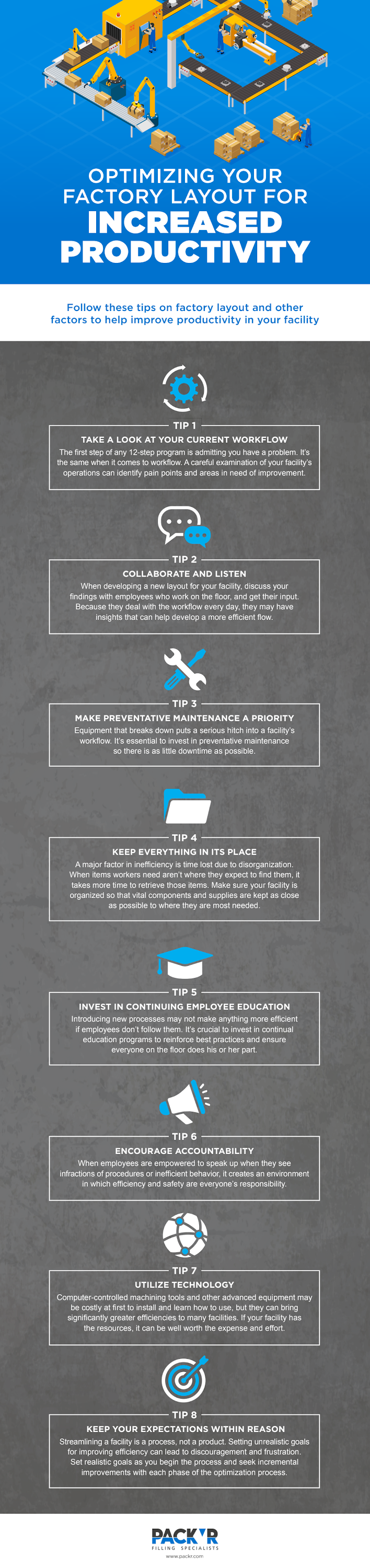
Efficiency is the backbone of any successful manufacturing facility. An optimized factory layout not only enhances productivity but also reduces wasted time, improves workflow, and ensures a safer working environment. However, achieving peak efficiency requires careful planning, collaboration, and continuous improvement.

From assessing your current workflow and organizing your facility to leveraging technology and investing in employee training, there are several steps you can take to maximize productivity. In this blog, we’ll explore key strategies to streamline factory operations and create a more efficient workplace.

Check out the infographic below for expert tips on optimizing your factory layout for increased productivity.

Infographic provided by PACK’R, a provider of ibc filling equipment

Functional Industrial Coatings: A Journey Through Innovation

Industrial coatings have undergone a remarkable transformation over the years, evolving from basic protective layers to high-performance solutions tailored to meet diverse industrial needs. Today’s functional coatings do more than protect—they enhance efficiency, reduce energy consumption, and even adapt to environmental changes. These advancements have redefined industries, offering solutions that are as innovative as they are essential.

In this guide, we’ll explore the evolution of functional industrial coatings, examining their origins, advancements, and the groundbreaking technologies driving their development. Whether it’s corrosion resistance, thermal regulation, or self-healing properties, these coatings are revolutionizing how industries approach durability and performance. Be sure to check out the infographic at the end for a concise overview of the milestones shaping this dynamic field.


Infographic by Orion Industries, a provider of chemical resistant coatings

Breaking Down Barriers to Technology Adoption in Global Supply Chains

In today’s fast-evolving world, technology is a critical enabler of efficiency, transparency, and resilience in global supply chains. From real-time tracking systems to AI-driven analytics, the potential for tech to revolutionize operations is immense. However, despite its advantages, adopting new technologies often comes with significant challenges. Resistance to change, high implementation costs, and complex integration processes are just a few of the barriers that organizations face.

This guide explores the common obstacles to tech adoption in global supply chains and provides actionable strategies for overcoming them. By addressing these barriers head-on, companies can unlock the full potential of technological advancements, streamline operations, and stay competitive in an increasingly interconnected world. Don’t miss the infographic at the end, which highlights practical steps to accelerate tech adoption across supply chain networks.


Infographic by ketteQ, a provider of supply chain planning services

Outdoor Furniture as a Branding Tool for Commercial Spaces

Outdoor furniture has evolved far beyond its functional purpose. For commercial spaces, it has become a critical element of branding—conveying a business’s values, aesthetic, and customer experience. Whether you’re running a café, a corporate office, or a retail establishment, the right outdoor furniture can leave a lasting impression on visitors and distinguish your brand in a competitive marketplace.

The First Impression: More Than Just Furniture

Outdoor spaces often serve as the first point of contact for customers. A thoughtfully designed seating area with stylish and comfortable furniture can create a welcoming atmosphere that reflects your brand’s personality. For instance, modern, minimalist furniture might communicate sophistication and innovation, while rustic, natural pieces might evoke a sense of warmth and sustainability.

Investing in high-quality, branded outdoor furniture not only boosts visual appeal but also sets the tone for customer interactions. Consider a hotel that features elegant lounge chairs with subtle branding or a restaurant with bold, colorful seating that matches its logo and menu design. These elements make the space memorable and help reinforce brand recognition.

Functional Design Meets Brand Identity

Outdoor furniture provides an opportunity to merge practicality with branding. Customization options, such as colors, materials, and layouts, allow businesses to align the furniture with their visual identity. For example, a beachside resort could incorporate weather-resistant wicker furniture in sea-inspired hues, while an urban office park might opt for sleek metal tables and benches to reflect a tech-savvy image.

The functionality of the furniture also plays a role. Spaces designed with customers’ needs in mind—such as ergonomic chairs or modular seating for group interactions—signal that your brand prioritizes comfort and convenience. This attention to detail enhances customer satisfaction and strengthens their connection to your business.

Enhancing the Customer Experience

Outdoor furniture isn’t just about aesthetics; it’s an integral part of the customer experience. A well-furnished outdoor space invites people to linger, engage, and share their experiences on social media. Imagine a restaurant patio adorned with Instagram-worthy furniture and lighting—customers are more likely to snap photos and share them, effectively turning your furniture into a marketing tool.

Businesses can also incorporate interactive elements, such as movable furniture or seating designed for specific activities. These features can encourage customers to explore your brand further. A coffee shop with cozy outdoor nooks might inspire patrons to spend more time enjoying their drinks, while a retail store with comfortable benches could entice shoppers to pause and browse longer.

Sustainability: A Branding Opportunity

With growing consumer interest in sustainability, eco-friendly outdoor furniture can underscore your brand’s commitment to environmental responsibility. Choose materials like recycled plastics, bamboo, or responsibly sourced wood to showcase your values. Highlighting these choices in your marketing can resonate with eco-conscious customers and set your business apart.

For example, a clothing retailer targeting millennials might furnish its outdoor space with upcycled furniture to reflect a trendy, sustainable ethos. Similarly, a corporate campus can enhance its green image by using solar-powered furniture or incorporating planters into seating designs.

Durability and Long-Term Value

The longevity of outdoor furniture is another factor that speaks to your brand’s quality and reliability. Durable, weather-resistant pieces demonstrate that your business invests in high-value solutions, which can build trust with customers. When customers see well-maintained furniture that withstands the elements, it reflects positively on your brand’s attention to detail and commitment to excellence.

Marketing Through Accessibility

In today’s digital age, purchasing outdoor furniture is easier than ever. Businesses looking to create or refresh their outdoor spaces can conveniently order outdoor furniture online, choosing from a wide range of customizable and pre-designed options. Online platforms often provide helpful tools like augmented reality previews or detailed specifications, making it simple to select pieces that perfectly align with your brand’s vision.

Moreover, the convenience of online ordering ensures that businesses can adapt quickly to changing trends or expand their spaces efficiently, ensuring that their brand stays current and competitive.

Tips for Choosing the Right Outdoor Furniture

  1. Know Your Brand Identity: Select pieces that visually and functionally align with your brand’s mission and values.
  2. Prioritize Comfort and Usability: Ensure your furniture meets customer needs while maintaining a stylish appearance.
  3. Think Long-Term: Invest in durable materials to reduce maintenance costs and reflect a high standard of quality.
  4. Embrace Sustainability: Incorporate eco-friendly designs and materials to appeal to modern, environmentally conscious customers.
  5. Leverage Online Resources: Use online platforms to find versatile, cost-effective furniture options that match your branding needs.

Outdoor furniture is more than a practical necessity; it’s a branding tool that can elevate your commercial space’s appeal and influence customer perceptions. By carefully choosing pieces that reflect your brand identity, enhance the customer experience, and promote sustainability, you can create a powerful connection with your audience. Whether you’re furnishing a café patio, a retail entryway, or a corporate courtyard, the right outdoor furniture can make a lasting impact—both aesthetically and strategically.

Building Bridges: The Importance of Diversity and Inclusion in Hiring

In today’s global marketplace, diversity and inclusion are more than just buzzwords; they are essential components of a successful and innovative workplace. A diverse workforce brings together individuals from various backgrounds, perspectives, and experiences, fostering creativity and problem-solving that can propel a company to new heights. However, creating a diverse workplace begins with intentional hiring practices that prioritize inclusivity and equity.

In this infographic, we explore the key strategies for implementing diversity and inclusion in the hiring process. From unbiased recruitment practices to creating an inclusive company culture, we provide actionable steps that employers can take to attract and retain a diverse talent pool. By embracing diversity and inclusion, organizations can not only enhance their workplace environment but also improve overall performance and employee satisfaction.

Infographic provided by Goodwill Car Donations, a top company for donating a car in Florida

Speed Equals Success: How a Fast Drive-Thru Impacts Your Bottom Line

In the fast-paced world of quick-service restaurants, a speedy and efficient drive-thru is critical to customer satisfaction and business success. When customers can order, pay, and receive their food quickly, it not only enhances their experience but also directly boosts your bottom line. A well-optimized drive-thru can lead to increased sales, higher customer retention, and improved operational efficiency.

In this infographic, we explore the effects of a fast drive-thru on your business’s profitability. From reducing wait times to managing peak traffic, we’ll show you how streamlining your drive-thru operations can lead to more satisfied customers and better financial outcomes. If you’re looking to improve revenue and keep your customers coming back, optimizing your drive-thru may be the key.


Infographic provided by Quikserv, a provider of transaction windows

Unlocking Veteran Potential: A Comprehensive Employer’s Guide to Hiring and Retaining Military Talent

Veterans possess a distinctive blend of skills, discipline, and leadership that can significantly enhance any workplace. Their experience in problem-solving, teamwork, and adaptability—developed through years of service—makes them highly valuable employees in civilian careers. However, despite these strengths, many organizations struggle with understanding how to effectively recruit, hire, and retain veterans in their workforce.

The transition from military to civilian life can be challenging for veterans, and companies often overlook how to support them throughout this process. From translating military experience into corporate language to fostering a supportive environment that addresses the unique needs of veterans, employers can benefit greatly from adopting a thoughtful and inclusive approach.

In this infographic, we provide a step-by-step guide for employers on how to tap into the vast potential of veterans. You’ll find actionable tips on crafting job descriptions that resonate with veteran applicants, best practices for onboarding, and strategies to create a work culture that helps veterans thrive. By implementing these practices, your organization can not only contribute to the career success of veterans but also benefit from the leadership and dedication they bring to the table.


Infographic provided by Veteran Car Donations, a top company for Texas car donations

Expectations vs. Reality: The Modern Job Seeker’s Journey

The job search process often feels like a balancing act between expectations and reality. Many job seekers enter the market with visions of landing their dream job quickly, finding the perfect work-life balance, and receiving competitive offers. However, the reality can be a different story, with challenges like long application processes, fierce competition, and unexpected setbacks.

In this infographic, we break down the common expectations job seekers have versus the reality of today’s hiring landscape. Whether you’re new to the job market or a seasoned professional, understanding these differences can help set realistic goals and navigate the job hunt more effectively.

Infographic provided by Swoon